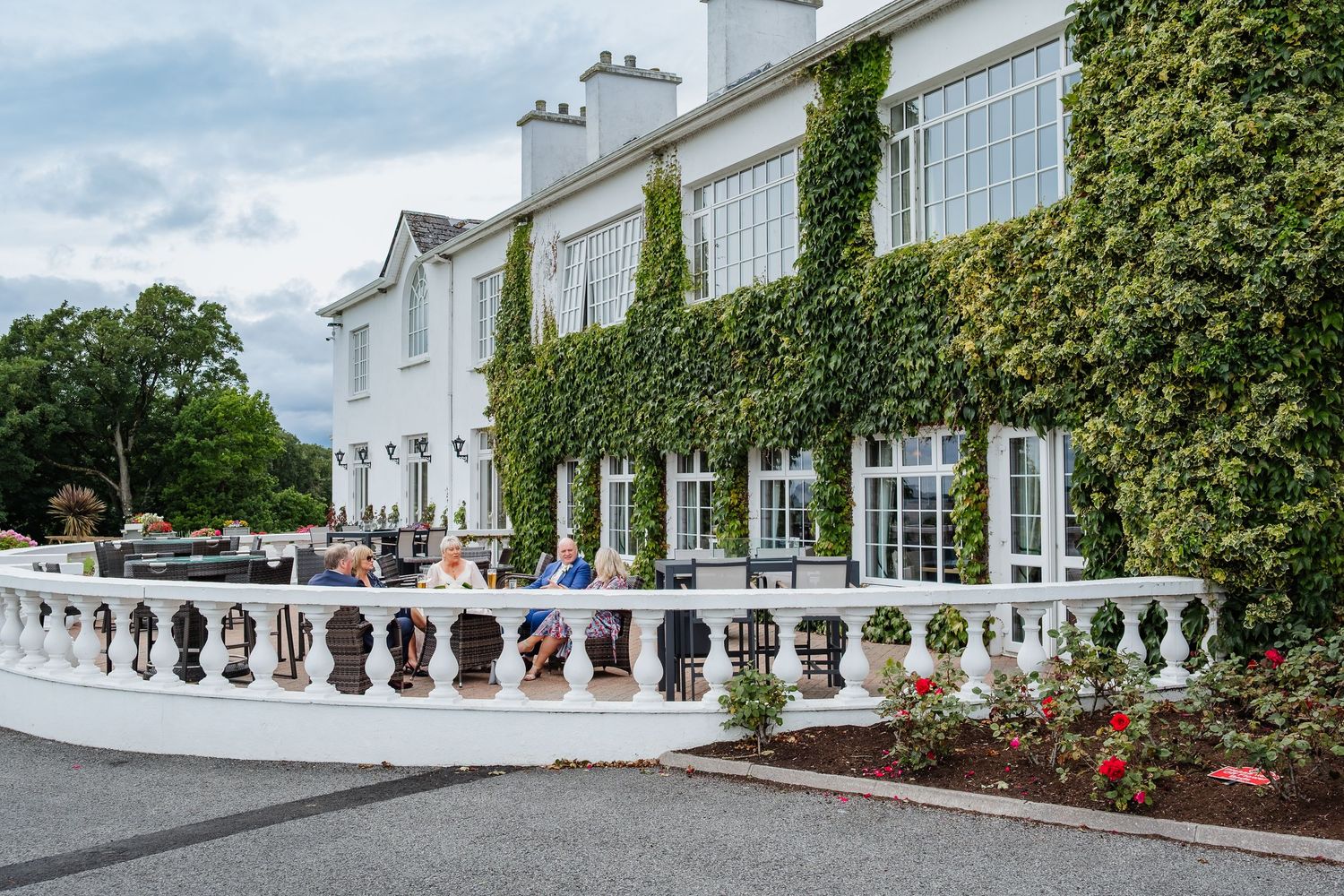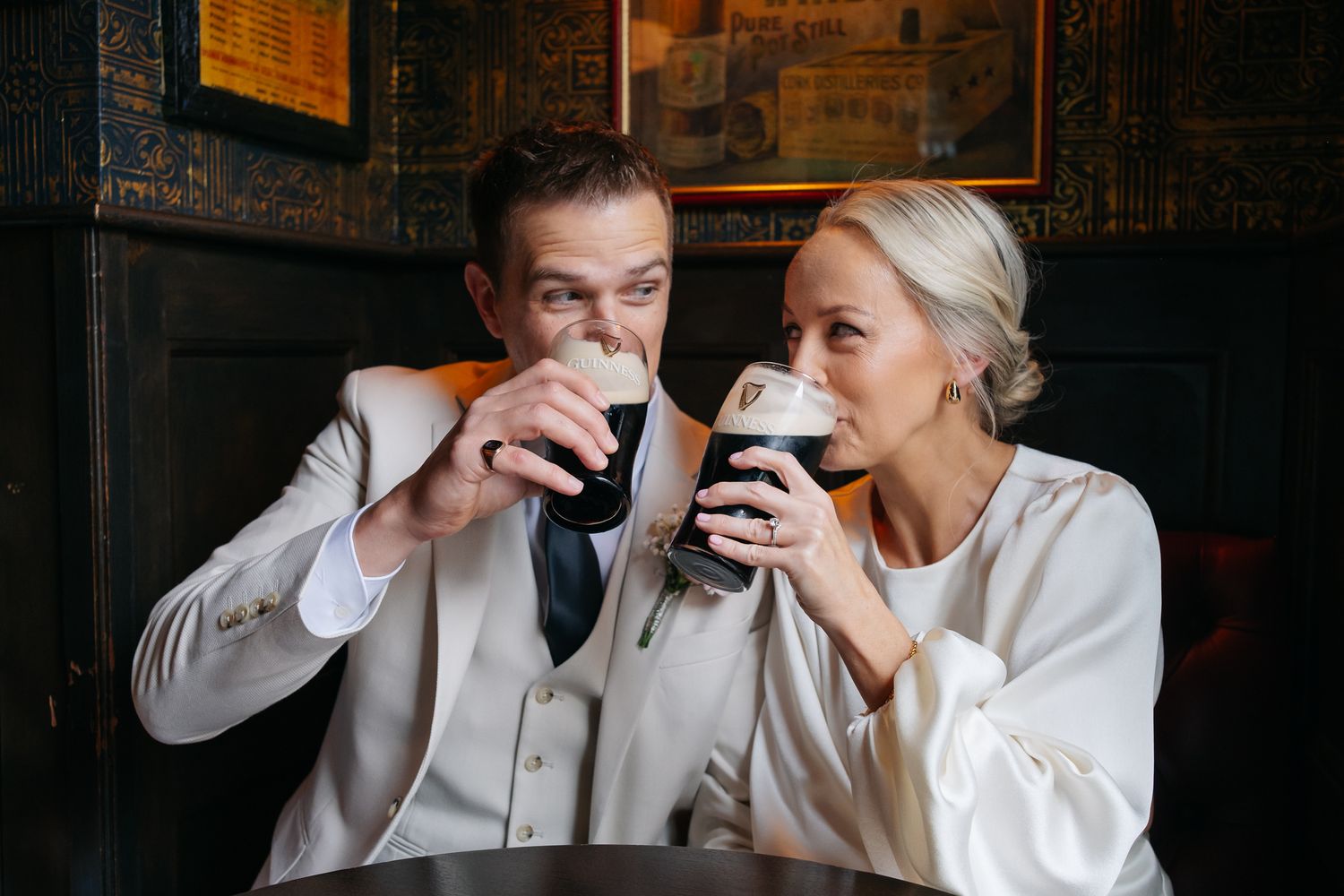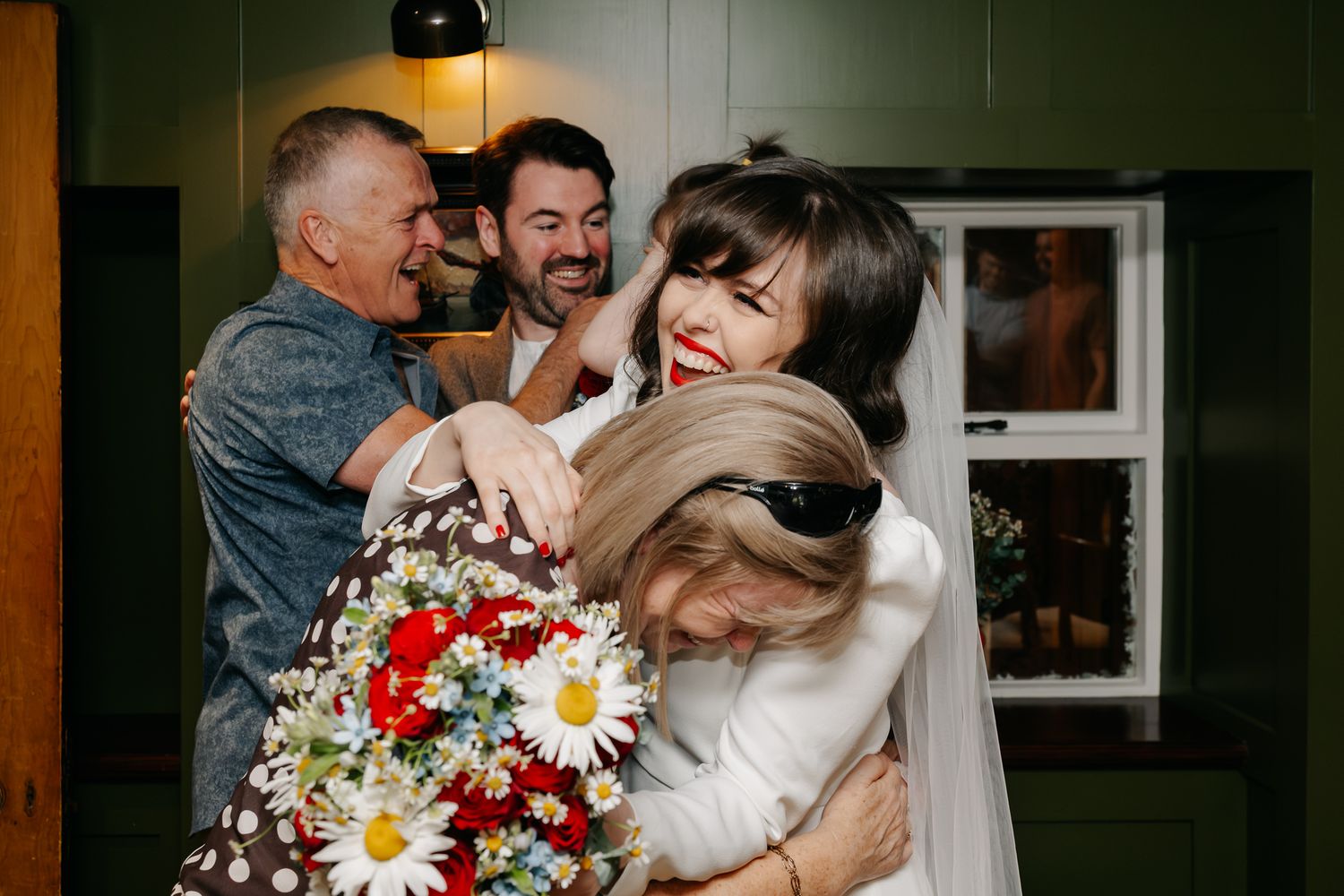
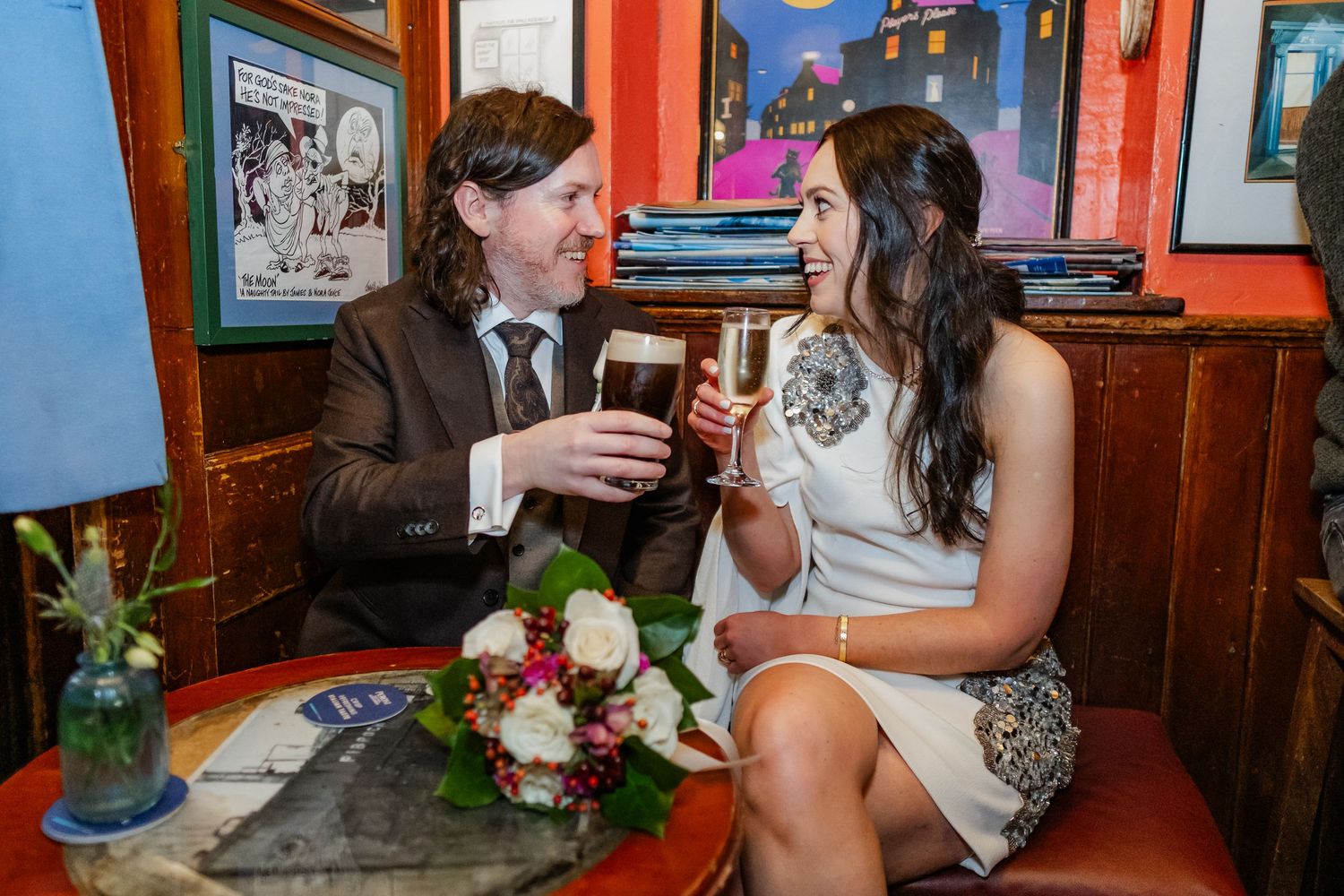
If the idea of a big wedding doesn’t feel like you — you’re not alone.
Not everyone wants a packed room, a strict timeline and a day that feels like a performance. For a lot of couples, the traditional version of a wedding feels overwhelming, expensive and slightly disconnected from what actually matters.
There’s another way to do it.
A smaller, more personal wedding. One that feels calm, natural and genuinely yours — without the pressure to do things a certain way.
If you're considering something like this, you can also read more about how I photograph small, relaxed weddings here.
You Don't Have to Do It the Traditional Way
Somewhere along the way, weddings got a script. Ceremony at two, drinks reception at four, dinner at seven, first dance at nine. One hundred and twenty guests. Three courses. A top table. A photographer directing you around a garden for an hour while your guests stand around with their drinks going warm.
It's a lot. And for a lot of couples, the moment they get engaged, they feel it — that quiet dread of a day that's supposed to be the best of your life but already feels like a production you're not sure you signed up for.
Family expectations don't help. The guest list that starts at thirty and somehow becomes ninety. The pressure to include people you haven't spoken to in years because it would cause a row not to. The sense that your wedding isn't quite yours anymore — that it belongs to everyone else's idea of what a wedding should look like.
Here's the thing. It doesn't have to be like that. The only rule about a wedding is that you have to mean it.
What a Smaller Wedding Actually Feels Like
It’s quieter. Not silent — but calmer.
The day isn’t rushed. There’s no constant sense of needing to be somewhere else, doing the next thing on a timeline you didn’t choose. You have time to breathe. Time to notice what’s happening around you.
You spend real time with people. Proper conversations, not quick hellos. You eat your dinner while it’s hot. You remember what was said, who you spoke to, how it felt.
It feels less like an event — and more like a gathering. And that changes everything.
What You're Allowed to Let Go Of
More than you think.
The big guest list. You don't owe anyone a seat at your wedding. The people who matter know who they are. A smaller room means more time with each person there — actual conversations, not a quick hello and a move on.
The strict timeline. Small weddings breathe differently. There's no MC rushing you from one thing to the next. The day moves at your pace, not a hotel coordinator's schedule.
The staged photos. The ones where everyone lines up by height and smiles at the camera. The ones that take an hour and a half and leave you exhausted before dinner. You can skip those entirely.
The performance of it all. The feeling that you need to be on, all day, for everyone watching. You don't. You just need to show up and be yourselves — which, as it turns out, is the only thing worth photographing anyway.
What You Gain Instead
Time. Actual time — with each other, with the people you love. Not the rushed version of a big wedding where you spend the day being pulled in twelve directions at once.
Calm. A day that feels manageable. Where you can eat your dinner, have a proper conversation, and actually remember what happened.
Real moments. The ones that don't happen when you're in performance mode. The quiet look across the table. The laugh that nobody planned. The bit where someone says something that makes the whole room feel it. Those moments need space to exist — and a smaller day gives them that space.
Connection. When you have thirty people in a room instead of a hundred and twenty, something shifts. People actually talk to each other. The day feels like a gathering rather than an event.
The Kind of Couples This Works For
Introverts. If the idea of being the centre of attention for eight hours sounds like your worst day ever — a smaller, quieter wedding changes everything. Less eyes. Less noise. More room to actually enjoy it.
Couples getting married for the second time. You've done the big day. You know what you want now — and it's probably something that actually feels like you.
Couples with kids. A relaxed day works so much better when small people are involved. No rigid timeline, no formal sit-down that goes on for hours. Just a day that fits around real family life.
People who hate being photographed. This is a big one. The couples who come to me most often are the ones who've said some version of — "we hate having our photo taken." A smaller, more relaxed day makes all the difference. There's no performance. Nobody's directing you. You just get on with your day and I follow you.
Why It Works So Well for Documentary Wedding Photography
Documentary photography — the kind I do — is built around real moments rather than constructed ones. It works best when couples are relaxed, when the day has a natural rhythm, and when nobody's being told where to stand.
Small weddings give all of that by default.
There's no two-hour gap in the middle of the day for formal portraits. There's no line of aunties to photograph by the fountain. There's just you, the people you love, and a day that's actually happening — and that's where the best images come from.
I don't pose. I don't direct. I work quietly in the background and I wait for the moments that are already there. That approach works for every wedding — but it works especially well for couples who want something small, personal and real.
If that sounds like the kind of day you're looking for, I’d love to hear about your plans.
You can also have a look at my small weddings page to see how I approach these kinds of days.